Investing in Nigeria’s Future: Mobilising Capital for Growth That Works
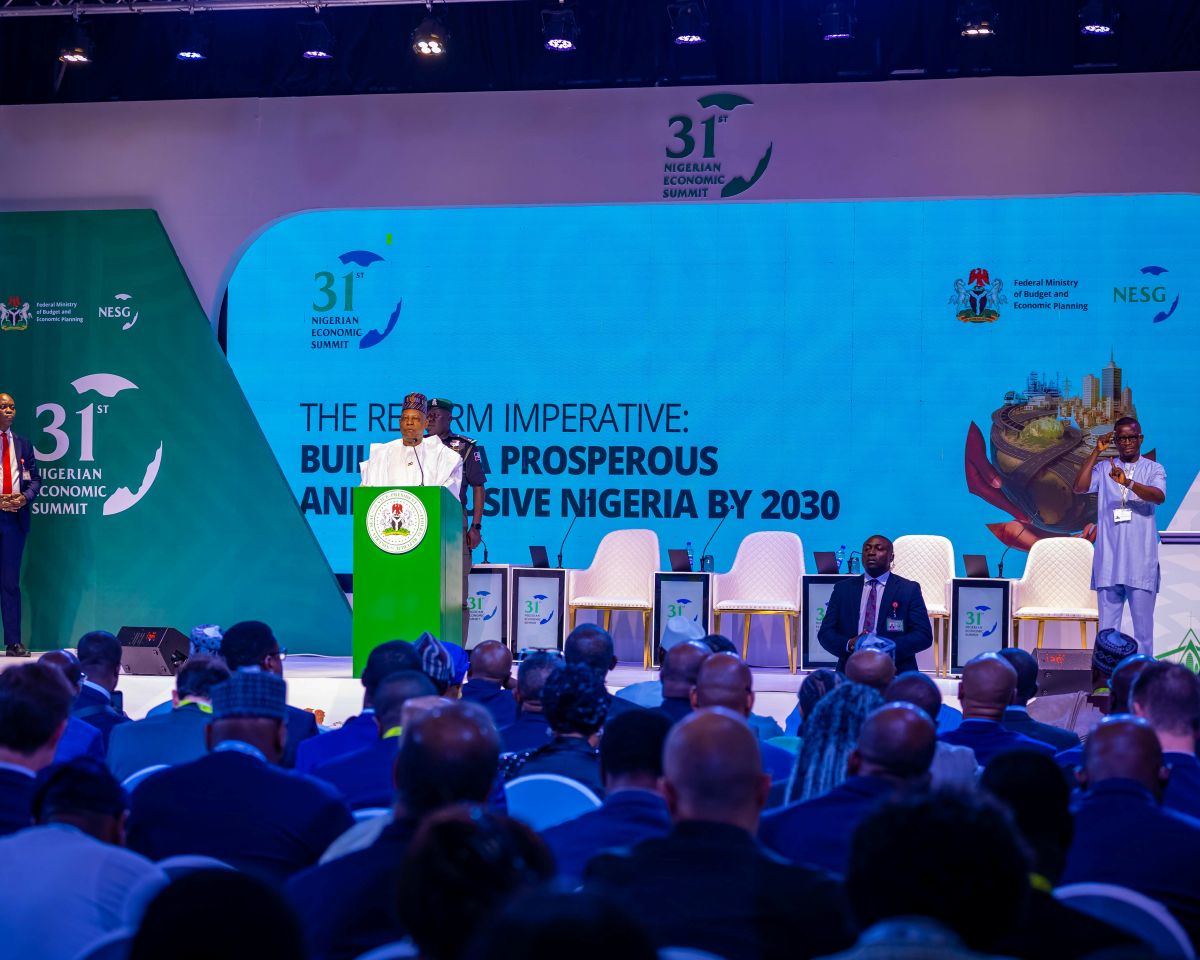
NES #32 to Centre Investment in the Economy and People as Drivers of Jobs, Productivity and Shared Prosperity
Economic transformation does not happen by chance. It is built on investment — investment in businesses, industries, infrastructure, innovation, and most importantly, people. Yet despite Nigeria’s enormous potential, investment levels remain below what is required to generate the jobs, productivity gains, and inclusive prosperity needed by a rapidly growing population.
At the 32nd Nigerian Economic Summit (NES #32), themed “Growth that Works: Delivering Jobs, Productivity and Shared Prosperity,” the Invest Nigeria sub-theme will place investment at the centre of the national development conversation. It will examine how Nigeria can unlock and mobilise capital at scale to accelerate economic expansion while simultaneously investing in the human capital that powers sustainable growth.
The Investment Imperative
Nigeria stands at a pivotal moment in its economic journey. Recent reforms have sought to stabilise the macroeconomic environment, improve fiscal sustainability, and restore investor confidence. While these reforms are necessary, they represent only the first step. The next challenge is translating stability into productive investment that expands businesses, creates jobs, raises incomes, and improves living standards.
For decades, Nigeria has faced a persistent investment gap. Infrastructure deficits, limited access to long-term finance, regulatory uncertainty, and elevated business costs have constrained the country’s productive potential. At the same time, global competition for investment capital continues to intensify.
The Invest Nigeria dialogue at NES #32 recognises that sustainable prosperity depends on creating an environment where investment can thrive. The focus is not merely on attracting capital but on ensuring that investment flows into sectors capable of generating broad economic value, strengthening productivity, and creating opportunities for millions of Nigerians.
Investing in the Economy and Industries
The first dimension of the Invest Nigeria agenda focuses on strengthening investment across critical sectors of the economy.
Nigeria possesses significant opportunities in agriculture, manufacturing, infrastructure, technology, energy, mining, logistics, and the creative economy. However, unlocking these opportunities requires a coordinated effort to improve the investment climate, reduce barriers to enterprise growth, deepen capital markets, and strengthen the policy frameworks that support long-term investment decisions.
NES #32 will explore practical strategies for mobilising both domestic and foreign investment into productive sectors. Discussions will focus on improving infrastructure financing, expanding access to credit for businesses, strengthening public-private partnerships, promoting industrialisation, and building competitive value chains capable of driving economic diversification.
Particular attention will be given to Micro, Small, and Medium Enterprises (MSMEs), which remain the backbone of Nigeria’s economy. Improving access to finance, reducing regulatory burdens, and supporting business formalisation will be recognised as critical pathways for accelerating investment, enterprise growth, and employment generation.
Investing in People: Nigeria’s Greatest Asset
Economic growth ultimately depends on people. No nation can achieve sustainable prosperity without investing in the knowledge, health, skills, and capabilities of its citizens.
The second dimension of the Invest Nigeria agenda focuses on human capital development as a strategic investment priority. While Nigeria has one of the world’s youngest populations, significant gaps remain in education outcomes, healthcare access, workforce readiness, and skills development.
NES #32 will examine how targeted investments in education, healthcare, digital literacy, vocational training, and workforce development can improve productivity and strengthen Nigeria’s long-term competitiveness.
A particular focus will be placed on aligning skills development with labour market demand, ensuring that young Nigerians are equipped with the competencies required by a modern and rapidly evolving economy. Discussions will also explore innovative financing mechanisms, public-private partnerships, and technology-enabled solutions capable of expanding access to quality human capital services at scale.
Building a Virtuous Cycle of Growth
Investment in industries and investment in people are mutually reinforcing. Stronger businesses create jobs, generate incomes, and expand economic opportunities. A healthier, better-educated, and more skilled workforce increases productivity, innovation, and competitiveness.
Together, these investments create a virtuous cycle that drives economic growth, strengthens resilience, and expands prosperity across society.
The Invest Nigeria dialogue will therefore focus on how policymakers, investors, businesses, development partners, and civil society can work together to accelerate investment-led growth while ensuring that the benefits are broadly shared.
A Call to Action
The scale of Nigeria’s ambitions requires a new level of commitment to investment-led development. Government must continue strengthening the policy environment. The private sector must expand productive investment and innovation. Development partners must support catalytic financing and capacity building. Educational institutions must prepare future generations for the demands of a changing economy.
NES #32 will provide a platform for these stakeholders to develop actionable solutions that strengthen Nigeria’s investment ecosystem and position the country for long-term prosperity.
The 32nd Nigerian Economic Summit holds on 26 and 27 October 2026 at the Transcorp Hilton Hotel, Abuja. The Invest Nigeria dialogue will bring together leaders from government, business, finance, academia, and development institutions to advance a national agenda that places investment at the heart of jobs creation, productivity growth, and shared prosperity.
About the Nigerian Economic Summit Group (NESG)
The Nigerian Economic Summit Group (NESG) is Nigeria’s foremost private sector-led policy advocacy and think tank organisation. For over three decades, the NESG has provided a credible platform for public-private dialogue, shaping policies and strategies that drive Nigeria’s economic progress. The annual Nigerian Economic Summit (NES) remains the premier gathering of business leaders, policymakers, and development stakeholders committed to Nigeria’s transformation.
Ayanyinka Ayanlowo
Head, Strategic Communication and Advocacy
NESG
to like, bookmark, and comment.
Comments
Join the conversation:
No comments yet. Be the first to share your thoughts.