Iran's rial plunges past 2.5 million per dollar as Hormuz talks continue
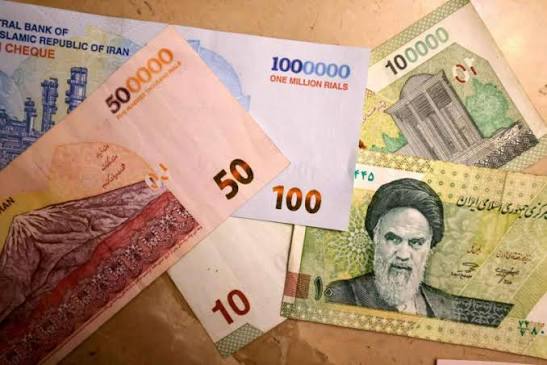
Iran's national currency has slumped to a fresh all-time low, trading beyond 2.5 million rials against the US dollar, with the Middle East war continuing to bear down on the country's finances.
Traders based in Tehran were quoted by the Associated Press as having exchanged more than 2.5 million rials for a single dollar on Tuesday. That figure came only 27 days after the currency had touched its earlier record nadir of 2.2 million rials per dollar on September 2.
The fall underlines how heavily the economy is being squeezed, with the rial having repeatedly notched new lows ever since fighting broke out in February.
Against that backdrop, Tehran is still waiting to hear back from Washington on attempts to reopen the Strait of Hormuz, a waterway of major strategic importance. Iranian Foreign Minister Abbas Araghchi said the indirect negotiations with the United States have taken on a more serious character.
Araghchi's comments followed a meeting with intermediaries from Pakistan and Qatar, who are helping to try to secure an agreement between Tehran and Washington. He said the talks are for now centred on the waterway, and that Qatari go-betweens would pass messages to the US side and then bring Washington's answer back to Tehran.
Speaking to Iranian media on Monday, Araghchi said: "The current focus is solely on the Strait of Hormuz."
He added that once the US reply arrives, Tehran will decide its next move.
Officials in Washington and in the region have confirmed that mediators are seeking to broker an understanding between Iran and the US that would halt the fighting and allow traffic to resume through the Strait of Hormuz. Those diplomatic efforts have carried on even after US President Donald Trump turned down an Iranian plan to reopen the waterway within seven days.
That Iranian proposal is reported to have carried conditions, among them an end to the US blockade of Iranian ports, the unfreezing of Iranian assets held abroad and relief from sanctions on Iranian oil exports.
While the diplomacy grinds on, the conflict is still disturbing energy flows and dragging on Iran's economy. Crude prices have stayed high on fears that supplies through the Strait of Hormuz could be disrupted for a long stretch.
Araghchi has said Tehran is waiting for a formal answer from Washington via the mediators. US officials, for their part, have signalled that any wider deal would also have to cover Iran's nuclear programme.
to like, bookmark, and comment.
Comments
Join the conversation:
No comments yet. Be the first to share your thoughts.