Katsina Cuts Domestic Debt From N62bn To N14bn
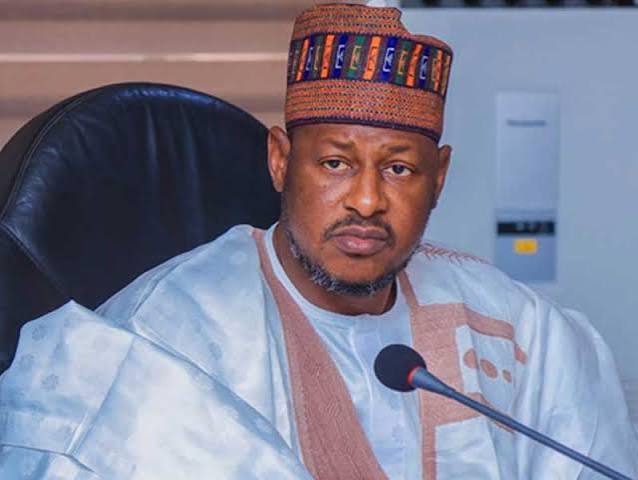
Katsina State governor, Dikko Umaru Radda, has hinted that the state’s domestic debt has dropped from N62 billion in 2022 to N14 billion in 2025, representing a reduction of N48 billion.
Radda made the disclosure yesterday as a panelist at the launch of the World Bank’s Nigeria Development Update held at the Sheraton Hotel, Abuja.
The session was themed “Beyond the Federal Purse: How Higher Revenues Reshaped State Priorities.”
The governor said the reduction in the state’s debt stock was recorded alongside a significant increase in its Internally Generated Revenue (IGR), which rose from about N600 million monthly in 2023 to over N3 billion monthly in 2026.
He attributed the state’s improved fiscal position to stronger revenue generation and increased resources from the Federation Account following economic reforms introduced by the President Bola Ahmed Tinubu administration.
Radda said the additional resources had enabled the government to invest in critical sectors while improving its financial position.
He said the government had channelled resources into healthcare, education and agriculture, among other sectors.
According to a statement issued by his Chief Press Secretary, Ibrahim Kaula, more than 270 primary healthcare centres have been reconstructed and equipped, while six comprehensive health centres have been upgraded to general hospitals.
He added that over 170 schools had been constructed and more than 500 renovated, while over 10,000 teachers had been recruited.
In agriculture, the governor said the state had acquired more than 400 modern tractors and thousands of other mechanised equipment as part of its agricultural mechanisation programme.
Radda also disclosed that Katsina’s malnutrition rate had declined by seven per cent, while the number of out-of-school children had fallen from over 500,000 to about 200,000.
He further reaffirmed that the state had fully implemented financial autonomy for local governments.
The governor was among senior government officials and economic stakeholders who participated in the World Bank event, which examined how increased revenues were influencing priorities and fiscal management across Nigerian states.
to like, bookmark, and comment.
Comments
Join the conversation:
No comments yet. Be the first to share your thoughts.