62 Officers Equipped For Avian Infuenza Control In Nasarawa Wildlife, Wetlands
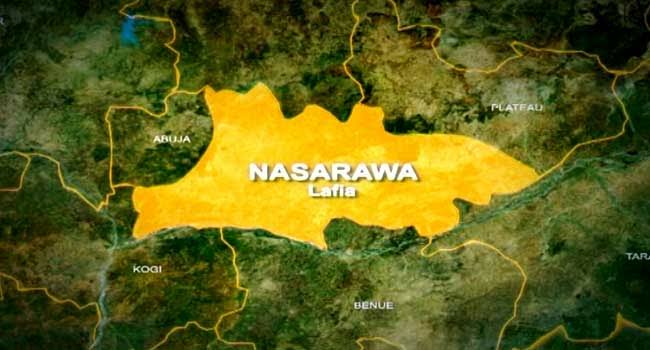
The federal government has flagged off a six-day training for 62 multisectoral officers on surveillance of highly pathogenic avian influenza (HPAI) in wildlife and wetlands.
The training, holding in Akwanga, Nasarawa State, was opened by the chief veterinary officer of Nigeria, Dr Samuel Anzaku.
Anzaku, who was represented by the national programme coordinator, Avian Influenza Control Programme, Dr Alao Mitchell, said the exercise was organised by the Federal Ministry of Livestock Development in collaboration with the Federal Ministry of Environment and the Nigeria Centre for Disease Control and Prevention (NCDC), with support from the Strengthening Infectious Disease Detection Systems (STRIDES) Project.
With the theme, “Strengthening Wildlife Disease Surveillance for Early Detection of HPAI,” the training is aimed at building a skilled workforce tof detect and contain avian influenza at its source.
Anzaku said HPAI remains a major threat to Nigeria’s poultry industry, food security, biodiversity and public health, noting that wild birds and wetlands are critical in the ecology and transmission of avian influenza viruses.
He said the training was designed to enhance the capacity of officers to detect, report and respond to HPAI threats at the wildlife-livestock-human interface.
According to him, effective surveillance requires more than sample collection.
“It requires early recognition of unusual illness or mortality, accurate documentation, timely reporting, appropriate investigation, safe sample collection and laboratory confirmation, followed by prompt information-sharing and coordinated response,” he said.
The CVO said the initiative aligns with President Bola Ahmed Tinubu’s Renewed Hope Agenda, which prioritises food security, economic growth and livelihood protection, and the Nigeria Livestock Growth Acceleration Strategy (NLGAS), which depends on a strong animal health system.
He stressed that tackling HPAI demands a One Health approach, bringing together veterinary services, wildlife and environmental authorities, public health institutions, laboratories, research bodies, local authorities and wetland communities.
“No single institution can effectively address disease threats in isolation,” he said, adding that communities around wetlands are vital partners in early warning if equipped with awareness and functional reporting channels.
He urged participants drawn from Adamawa, Kano and the Federal Capital Territory (FCT) to leverage the training to clarify institutional roles, strengthen information sharing and build professional networks that will outlive the programme.
He reaffirmed the ministry’s commitment to improving animal disease surveillance, preparedness, laboratory capacity and rapid response in partnership with state governments, development partners and research institutions.
to like, bookmark, and comment.
Comments
Join the conversation:
No comments yet. Be the first to share your thoughts.