NESG Seeks State-level Strategies to Unlock Nigeria’s Growth Potential
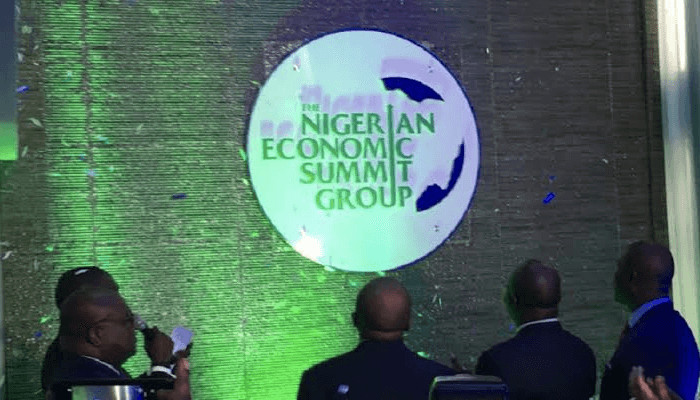
The Nigerian Economic Summit Group (NESG) is seeking strategies at the state level to unlock Nigeria’s growth potential, saying national prosperity depends on building competitive economies in every state rather than a few cities.
The call is the focus of the “Scale Nigeria” sub-theme at the 32nd Nigerian Economic Summit (NES #32), holding on 26 and 27 October 2026 in Abuja. The summit’s theme is “Growth that Works: Delivering Jobs, Productivity and Shared Prosperity.”
The NESG stated that a handful of states and cities, including Lagos, Abuja, Kano and Port Harcourt, hold most of the country’s formal economic activity, financial flows and investment. Large parts of the country, it said, remain economically marginalised despite their agricultural land, mineral resources and cultural wealth.
The group said this concentration limits national growth. It said infrastructure in dominant cities becomes overloaded and expensive, while infrastructure elsewhere weakens from underuse. It cited Lagos traffic congestion, which it estimates costs the economy hundreds of billions of naira a year in lost productive time. It added that labour moves from productive regions to economic hubs, leaving local markets thin.
The NESG said each state that builds a working economy becomes a market, a production zone and a talent pool that adds to national output.
It argued that strategies must reflect what each state has. The statement said Kebbi and Niger have strong rice production potential, Plateau can become a horticulture and cold-chain hub, and Cross River has tourism and cocoa. It described Kano as a commercial and manufacturing centre close to Sahel and West African markets, and said Ondo and Delta have solid minerals and timber. A strategy that treats all states alike will fail, the NESG said.
The NES #32 will take up three areas: Regional value chains: how government, the private sector and development finance institutions can link production and processing across states, backed by roads, rail, warehousing, power, water and market information systems.
Subnational investment climate: a review of best practices, barriers and reform options, covering land administration, regulation, dispute resolution and industrial policy. The NESG said states should compete for investment through the quality of their governance rather than unsustainable fiscal concessions.
Infrastructure: talks with federal and state governments, development finance institutions and private investors on how to build and sustainably finance the roads, rail, power, digital and water systems a more distributed economy needs.
The NESG describes itself as Nigeria’s leading private sector-led policy advocacy and think tank organisation. It said the Scale Nigeria dialogue will build consensus and a policy agenda for growth “in every corner of the federation.”
to like, bookmark, and comment.
Comments
Join the conversation:
No comments yet. Be the first to share your thoughts.