Millions of Africans have internet coverage but are not online. Here’s why
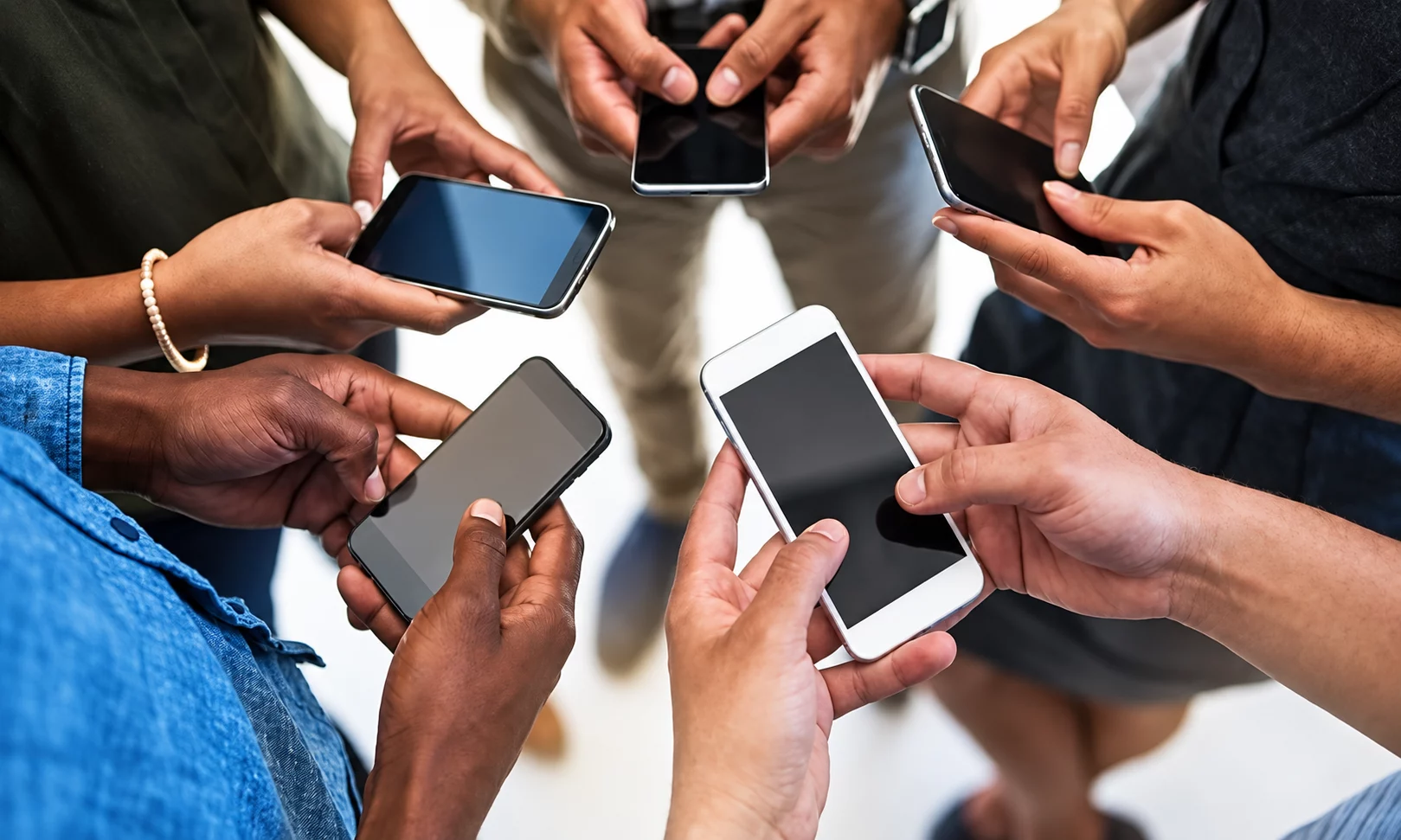
Africa’s push to connect one billion people by 2030 faces a bigger challenge than network coverage: getting the hundreds of millions already within reach of a signal to use the internet meaningfully.
In 2025, about 550 million Africans, or 36% of the continent’s population, used the internet, up from 16% in 2015. That remains far below the global internet usage rate of 74%, underscoring the gap Africa must close to meet its regional digital inclusion goals. But the challenge is not simply extending network coverage. Most Africans who remain offline already live within reach of a mobile broadband signal, pointing to barriers such as device affordability, digital skills, and the perceived value of going online.
About 906 million Africans live in areas covered by mobile broadband but do not use mobile internet, according to a joint report by the Partnership for Digital Access in Africa and GSMA Intelligence. Another 122 million live in areas without last-mile mobile or fixed connectivity.
That distinction matters because Africa’s connectivity gap is no longer simply a story about towers, fibre, and coverage. It is increasingly about whether people can afford a device, see a reason to go online, trust digital services, or use them in ways that improve their lives.
Ghana, Egypt, and Niger illustrate three versions of that problem.
Ghana shows what happens when networks reach almost everyone, but adoption still lags. The country has 99% 4G coverage, yet a 57% usage gap remains, according to the report. The barrier is no longer primarily whether a signal exists. It is whether people can afford to participate and feel confident using digital services.
Data from the report points to a striking difference in how Ghanaians use the internet. Weekly social media use reaches 86% among men and 82% among women surveyed. But only 25% of men and 21% of women report using online banking or mobile money weekly. Government services are used by 24% of men and 18% of women, while income-generating uses are used by 30% of men and 26% of women.
The report analysed key connectivity indicators, infrastructure gaps, and usage barriers across 11 core focus markets in Sub-Saharan Africa.
The implication is not that social media use is unimportant, but that being online does not automatically translate into deeper economic or public value.
In Egypt, for instance, internet use is heavily concentrated in communication, social media, and entertainment, while participation in online banking, government services, and income-generating activities remains much lower. This suggests that access alone is not enough. Digital skills, trust in online services, the availability of useful local-language content, and the ability to complete transactions online all influence whether people can move from casual browsing to activities that improve their livelihoods or make public services easier to access.
An entry-level smartphone costs about $18, equivalent to 7% of per capita monthly income, thereby making affordability part of the problem. Among people who know about mobile internet but do not use it, 45% of men and 44% of women cite handset cost as a barrier. Trust is another constraint: electronic fraud incidents reported by payment service providers rose 54% to 24,124 in 2025.
Ghana, therefore, represents a connectivity problem of conversion: turning widespread network availability into affordable, trusted and productive use.
From connectivity to economic value
Egypt presents a different challenge. Its users are already highly engaged. 93% of mobile internet users go online daily. Yet much of that activity remains concentrated in communication, social media, and entertainment.
Only 15–16% of surveyed users report using online banking or mobile money weekly, 15% use government services, and just 13–14% use mobile internet for income-generating activities. Egypt had 46.3 million active mobile wallets in the second quarter of 2025, but the report says their use remains concentrated on transfers and top-ups.
Egypt’s problem, then, is not simply getting people online. It is getting more value from the people who are already there.
That makes Egypt a case study in productive use. A country can have widespread internet access and frequent internet use while still leaving significant economic potential untapped. The next phase of connectivity policy must therefore be concerned not just with users, but with what digital services allow those users to accomplish.
Making the internet worth using
Niger faces a more fundamental problem. Its mobile broadband coverage is growing, but more than 71% of the population remains in the usage gap. The report links this to literacy, device capability, and the perceived value of being online.
For many potential users, the internet may not offer enough relevant reasons to connect. Global applications can be text-heavy and primarily designed in French, limiting their usefulness to speakers of Hausa and Zarma, Niger’s two most common languages. The report also points to a shortage of local digital services in areas such as agriculture, education, and public services.
Niger, therefore, represents a problem of relevance. Extending networks is necessary, but a signal alone will not persuade people to use the internet regularly. Connectivity becomes more valuable when people can access services and information in languages and formats they understand and need.
At current rates, Africa is on track to reach about 700 million internet users by 2030, leaving it more than 300 million short of its goal of connecting 1 billion people.
The report argues that the target remains achievable, but not simply by building more infrastructure. Halving the continent’s coverage and usage gaps could bring about 514 million additional people online.
That would require different interventions in different markets. Ghana needs cheaper devices, stronger trust, and more pathways from basic access to economic participation. Egypt needs digital services that turn frequent internet use into greater financial, educational, government, and income-generating value. Niger needs affordable access alongside local-language, low-bandwidth services that give people a reason to come online.
Ghana, Egypt and Niger show that Africa’s digital divide takes different forms, emerging at different stages between network access and meaningful internet use.
The next phase of the continent’s connectivity strategy will therefore be less about asking whether people can connect and more about asking why they cannot—or do not—use the connection.
The network is only the beginning. The harder task is making the internet useful, affordable, and trustworthy enough for people to stay connected.
True scale demands moving beyond surface-level integrations to robust execution. We’ve filtered the noise out of Moonshot 2026, optimising the conference strictly for high-calibre connections between startup founders, global financial operators, enterprise leaders and individuals rewiring Africa’s technical frameworks. Get 20% off Early Bird tickets for a limited time.
to like, bookmark, and comment.
Comments
Join the conversation:
No comments yet. Be the first to share your thoughts.