Idris Urges Broader Push Against Heart Disease at World Heart Day Event
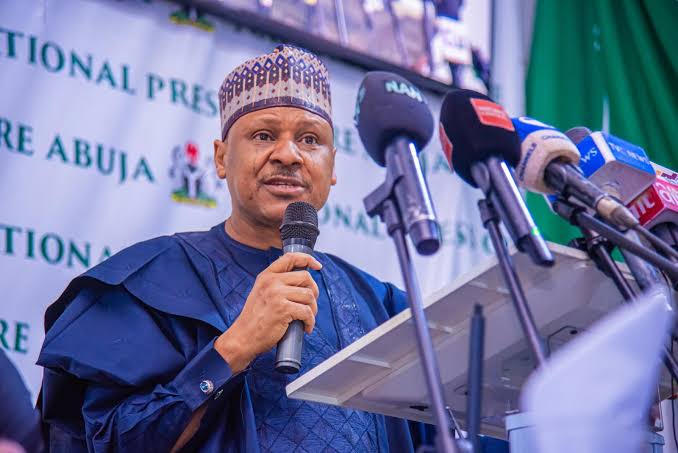
Mohammed Idris, the Minister of Information and National Orientation, has urged stronger measures to stop cardiovascular disease, encourage early diagnosis and widen access to treatment, noting that trustworthy and reachable health information is essential to saving lives.
Idris made the appeal on Tuesday in Abuja through a message read on his behalf by Dr Mohammed Bulama, the director-general of the Federal Radio Corporation of Nigeria. The occasion was the 2026 World Heart Day commemoration and Special Humanitarian Service Award, arranged by the Heart Recovery Foundation.
Gathered under the theme "Use Heart for Action," the event drew medical practitioners, heart patients and survivors, development partners, diplomatic community members, media professionals and other stakeholders, all underscoring the need for firmer steps against cardiovascular disease.
According to Idris, the gathering should remind people that behind cardiovascular disease figures lie real persons, families and communities whose lives have been touched by the condition.
"Behind every statistic on cardiovascular disease is a human being, a family and a story," he said.
The minister praised the Heart Recovery Foundation for supporting efforts to tackle heart disease through health education, cardiovascular screening, medical consultations, survivor testimonies and assistance to indigent patients.
He emphasised the value of giving Nigerians dependable information that enables them to spot risk factors, identify warning signs and seek medical help promptly.
"Citizens need credible, accessible and understandable information about healthy living, warning signs, risk factors and when to seek medical attention," Idris said.
He stated that the duty of improving cardiovascular health cannot be left to government alone, and he called on health professionals, civil society organisations, development partners and the media to keep working together on prevention, early detection and treatment access.
"At the same time, government cannot do this alone," he said.
Idris also pointed to Federal Government health sector interventions, saying steps to enhance healthcare delivery covered the revitalisation of Primary Healthcare Centres and the expansion of specialised medical facilities.
"The Federal Government, through its various health interventions, is strengthening access to healthcare and preventive services," he said.
He added that these initiatives are part of wider health-sector reforms under President Bola Ahmed Tinubu's administration.
The minister also received the Special Humanitarian Service Award presented to him at the event, saying the honour would spur continued backing for efforts aimed at protecting lives and improving Nigerians' wellbeing.
In his remarks, Dr Suleiman Haruna, chairman of the Board of Trustees of the Heart Recovery Foundation, said the Foundation's work goes past medical treatment to assisting families affected by heart disease in regaining stability.
"We are not just treating hearts. We are restoring families, we are restoring careers, and we are restoring children," Haruna said.
Gilbert Kiaka, the Founder of the Heart Recovery Foundation, said his own encounter with heart disease drove his advocacy for children living with congenital heart defects and families who cannot afford treatment.
"Poverty should never determine whether a child lives or dies from a treatable heart condition," Kiaka said.
Blessing Moses, the Foundation's programme coordinator, said the organisation has merged awareness campaigns, screening, outreach and treatment support since starting operations in 2024.
"With the screening, we are able to detect what exactly is the problem," Moses said, adding that identifying conditions early could allow affected children to get proper treatment before their situations deteriorated.
In the keynote address, Professor Umar Abubakar, a cardiothoracic surgeon and president of the Nigerian Association of Cardiovascular and Thoracic Surgeons, called for stronger systems to guarantee that diagnosis leads to prompt and affordable treatment.
"It is not enough to diagnose; we must provide access," Abubakar said.
He pushed for sustainable financing for cardiovascular care, enhanced local medical capacity, better data collection and closer ties among government, hospitals, non-governmental organisations and other stakeholders.
The event also included testimonies from beneficiaries whose children had received cardiac treatment support.
One beneficiary thanked the Foundation for helping her child obtain treatment and recover, while a medical account described the case of a Nigerian child who fell critically ill while travelling abroad for treatment but later underwent life-saving surgery through humanitarian assistance.
The commemoration closed with the presentation of Special Humanitarian Service Awards to individuals and organisations recognised for their contributions to humanitarian service and heart-health advocacy.
to like, bookmark, and comment.
Comments
Join the conversation:
No comments yet. Be the first to share your thoughts.