African Families Must Turn Wealth Into Global Opportunities”
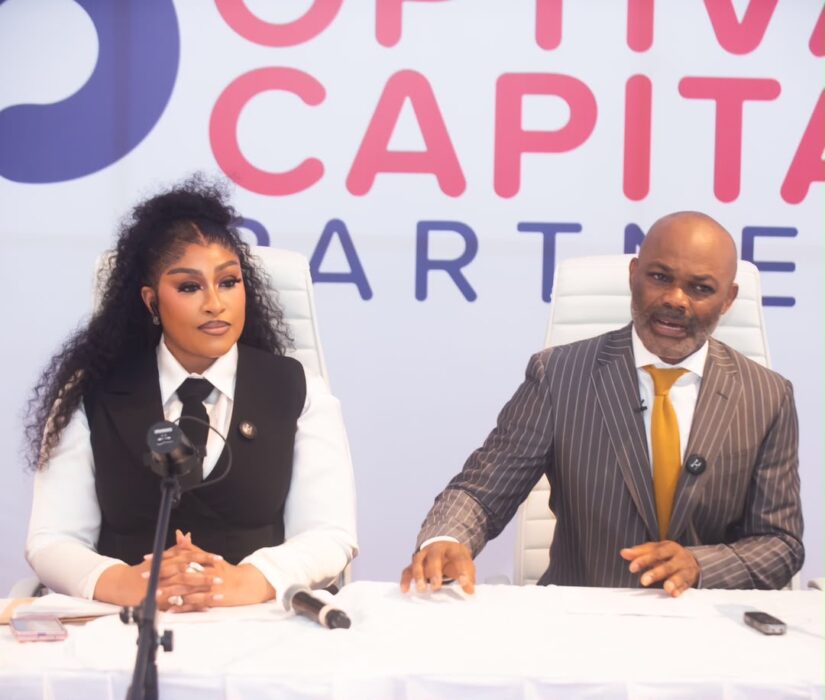
The chairman of Optiva Capital Partners, Franklin Nechi, has urged African entrepreneurs, investors and families to look beyond wealth accumulation and focus on building global access that can create business opportunities, strengthen family security and support future generations.
Nechi made the call in Abuja at the company’s third-quarter/fourth-quarter media parley with newsmen, themed, “From Access to Legacy: Building the African Family’s Global Future.”
He said the growing international footprint of African businesses and families had made global mobility an increasingly important component of wealth management.
“It has not changed; it has deepened. In Q1 we said it as a thesis. Today in Q3/4, we say it as a reality. Wealth without access is stranded wealth,” he said.
According to him, individuals with substantial assets could still face limitations if they lacked the ability to conduct international transactions, respond to medical emergencies, access global education or participate fully in international markets.
He said global access should ultimately translate into opportunities for businesses, greater options for families and wider social impact.
“Access for its own sake is vanity. Access must be converted into three things: opportunity for your business, options for your family, and impact for your community,” Nechi said.
He noted that the changing nature of African businesses had made international mobility increasingly relevant, as entrepreneurs increasingly dealt with clients, investors and technology teams located in different countries.
“Mobility is the operating system. You can have your headquarters in Victoria Island, but your clients are in Houston, your investors are in London, and your tech team is in Nairobi,” he said.
Nechi also said international mobility should not automatically be viewed as capital flight, arguing that cross-border access could support trade, investment and business partnerships.
“Global mobility does not mean capital flight; it means capital circulation. Our clients are not moving money out to abandon Africa. They are creating global access to bring money back in, through trade, through investment, through partnerships,” he said.
He, however, warned that the international mobility environment was becoming increasingly compliance-driven, with governments placing greater emphasis on transparency, source of funds and due diligence.
Nechi advised prospective investors to work with credible professional advisers and be cautious of programmes or intermediaries offering unusually fast or inexpensive outcomes.
“In a tightening world, who files your application is as important as what you file. Credibility is the new currency,” he said.
Looking ahead to 2027, he urged African families to use their wealth and international access responsibly to create opportunities for future generations.
“Do not just build wealth. Build access. Do not just build access. Build impact. And do not just build for today. Build a legacy that will make your children proud to be African and ready for the world,” Nechi said.
He said the theme would also feature in the company’s forthcoming Christmas edition, titled, “Home for Christmas. Ready for the World.”
“You can be globally connected without being disconnected from home,” he said.The Chairman of Optiva Capital Partners, Franklin Nechi, has urged African entrepreneurs, investors and families to look beyond wealth accumulation and focus on building global access that can create business opportunities, strengthen family security and support future generations.
Nechi made the call in Abuja at the company’s third-quarter/fourth-quarter media parley with journalists, themed, “From Access to Legacy: Building the African Family’s Global Future.”
He said the growing international footprint of African businesses and families had made global mobility an increasingly important component of wealth management.
“It has not changed; it has deepened. In Q1 we said it as a thesis. Today in Q3/4, we say it as a reality. Wealth without access is stranded wealth,” he said.
According to him, individuals with substantial assets could still face limitations if they lacked the ability to conduct international transactions, respond to medical emergencies, access global education or participate fully in international markets.
He said global access should translate into opportunities for businesses, greater options for families and wider social impact.
“Access for its own sake is vanity. Access must be converted into three things: opportunity for your business, options for your family, and impact for your community,” Nechi said.
He noted that the changing nature of African businesses had made international mobility increasingly relevant, as entrepreneurs dealt with clients, investors and technology teams located in different countries.
“Mobility is the operating system. You can have your headquarters in Victoria Island, but your clients are in Houston, your investors are in London, and your tech team is in Nairobi,” he said.
Nechi also said international mobility should not automatically be viewed as capital flight, arguing that cross-border access could support trade, investment and business partnerships.
“Global mobility does not mean capital flight; it means capital circulation. Our clients are not moving money out to abandon Africa. They are creating global access to bring money back in, through trade, through investment, through partnerships,” he said.
He, however, warned that the international mobility environment was becoming increasingly compliance-driven, with governments placing greater emphasis on transparency, source of funds and due diligence.
Nechi advised prospective investors to consult professional advisers and be cautious of programmes or intermediaries offering unusually fast or inexpensive outcomes.
“In a tightening world, who files your application is as important as what you file. Credibility is the new currency,” he said.
Looking ahead to 2027, he urged African families to use their wealth and international access responsibly to create opportunities for future generations.
“Do not just build wealth. Build access. Do not just build access. Build impact. And do not just build for today. Build a legacy that will make your children proud to be African and ready for the world,” Nechi said.
He said the theme would also feature in the company’s Christmas edition, titled, “Home for Christmas. Ready for the World.”
“You can be globally connected without being disconnected from home,” he said.
to like, bookmark, and comment.
Comments
Join the conversation:
No comments yet. Be the first to share your thoughts.