Agro-chemicals And Genetically-modulated Seeds
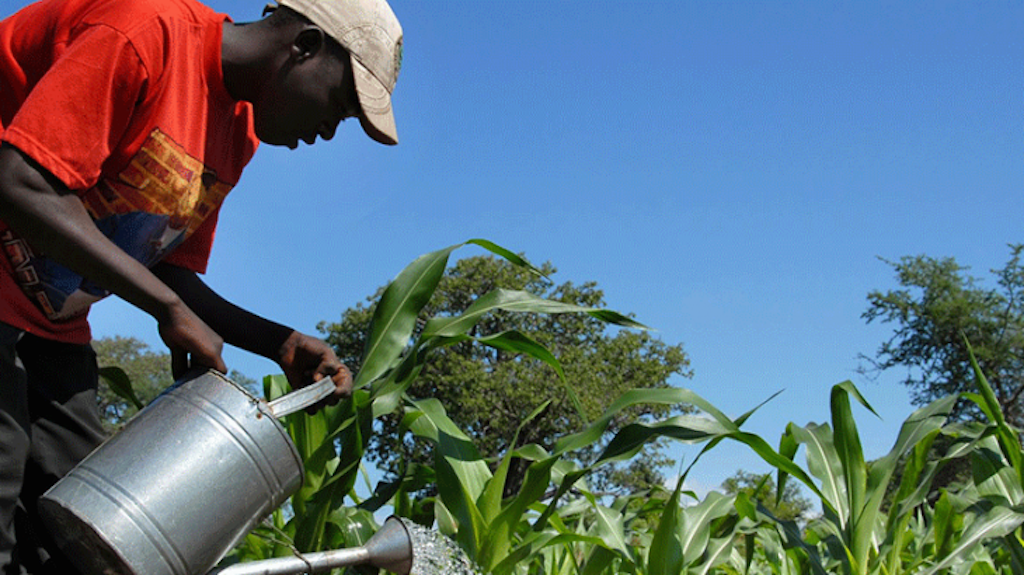
The North-West Development Commission’s (NWDC) recent announcement of a strategic partnership with chemical security and safety consultants to regulate agro-chemical usage and train farmers across the region’s farming belts comes at a pivotal moment. While public attention remains fixated on physical insecurity, banditry, and rising input costs, a quieter, equally destructive crisis has been silently eroding agriculture: the proliferation of toxic, adulterated agro-chemicals alongside the unchecked encroachment of Genetically Modified (GM) seeds.
At this juncture, we commend the NWDC for recognizing these regional agricultural vulnerabilities, but we warn that high-level dialogues and consultancy frameworks will amount to little unless backed by aggressive enforcement, scientific sovereignty, and grassroots accountability.
In Nigeria, particularly in the north, agricultural inputs like fertilisers, pesticides, herbicides, and seed varieties, are the main life-blood of crop yields that feed over 200 million citizens. Yet, across places like Kano, Jigawa, Kaduna, Katsina, Zamfara, Sokoto, and Kebbi, rural open markets are routinely flooded with unregulated, sub-standard chemical formulations. Predatory syndicates exploit desperate smallholder farmers, selling adulterated mixtures that stunt crop growth, strip soil fertility, and poison local water tables. The human cost is immediate and devastating: rural households lose their seasonal investments, while consumers nationwide are exposed to chemical toxicity through the food chain.
Compounding this crisis is the stealthy, aggressive push for Genetically Modified Organisms (GMO) in Northern farming communities and beyond. Enticed by promises of extraordinary short-term yields and pest resistance, many farmers are being lured into a dangerous compromise. For instance, over the years, deep scientific and public skepticism persists regarding the long-term health implications and environmental risks of GM technology, including potential allergenicity, soil biodiversity disruption, and irreversible ecological imbalance.
Even more alarming is the grave threat GM seed technology poses to national seed sovereignty. This is because, patented GM seed varieties and terminator-gene technologies cannot be harvested and replanted in subsequent seasons. Local farmers therefore face perpetual dependency on foreign, Western biotech conglomerates for their annual seed supply. The concern here is, to surrender control of our foundational seed stock to external corporate monopolies, is to expose Nigeria’s primary food basket to international supply chain volatility, exorbitant licensing fees, and geopolitical arm-twisting. Thus, high yields today must not be traded for total agricultural subjugation tomorrow.
Furthermore, this failure of regulatory oversight carries severe macroeconomic consequences. Nigeria’s agricultural export ambitions continue to face embarrassing rejections at foreign borders due to unacceptable chemical residues and unverified genetic alterations—a direct consequence of indiscriminate chemical application and poor farmer education at the farm-gate level.
The root cause of this dual crisis is a severe regulatory enforcement deficit. Regulatory agencies such as the National Agency for Food and Drug Administration and Control (NAFDAC), the National Biosafety Management Agency (NBMA), and state ministries of agriculture largely operate from urban offices, leaving rural markets completely unguarded. A village farmer in a remote corner of Kebbi or Zamfara should not have to gamble his livelihood—and the nation’s health—on unverified inputs bought from roadside traders.
If the NWDC’s chemical security initiative and regional agricultural strategies are to yield genuine protection, authorities must immediately transition from policy formulation to aggressive grassroots execution:
First, the NWDC, in collaboration with state governments, must establish accessible, low-cost Agro-Chemical and Seed Testing Laboratories across key agrarian Local Government Areas. Equipping agricultural extension officers with portable testing kits will allow smallholder farmers to verify chemical purity and seed authenticity before planting.
Second, the Federal Government and regional authorities must protect national seed sovereignty by aggressively funding indigenous research institutions—such as the Institute for Agricultural Research (IAR) Samaru, Zaria. Nigeria must develop its own high-yielding, climate-resilient hybrid seeds locally, thereby breaking reliance on foreign biotech monopolies while safeguarding native seed varieties.
Third, regulatory authorities must enforce strict, transparent labeling laws on all agrochemical containers and commercial seed packages, alongside relentless market sweeps to intercept illicit chemical syndicates and illegal seed distributors.
Finally, farmer education must be treated as a matter of national economic survival. Practical training programmes in local languages must be rolled out through farmers’ cooperatives and traditional institutions, warning growers against the long-term risks of chemical misuse and total reliance on foreign seed stock.
Safeguarding the Northern food basket requires more than defending farms against physical threats; it demands protecting our soil, seed heritage, and human lives from chemical toxicity and foreign economic control. The NWDC has taken a commendable first step. Now, federal and state authorities must show the political courage to enforce strict standards, support local research, and secure the integrity of Nigeria’s food supply from the ground up.
to like, bookmark, and comment.
Comments
Join the conversation:
No comments yet. Be the first to share your thoughts.