ÌWÁJÚ LÁ N LO: Consolidating The Gains Of Good Governance, Rising Above Political Distractions And Sustaining Kwara’s Development Trajectory
By Afees Abolore Alabi (Ph.D)
Great leadership is rarely tested in moments of applause and public acclaim. Its true character emerges in difficult times, when opinions differ, political relationships are strained and the decisions of those once considered close allies become unpredictable.
At such moments, the ability to remain composed, exercise sound judgment and keep faith with a clearly defined vision becomes particularly important. After all, leadership is not simply about navigating moments of political convenience; it is about providing direction, making difficult choices and remaining committed to the greater good, even when the prevailing circumstances are less than favourable.
This perspective is worth bearing in mind in considering the recent political developments in Kwara State. Political realignments, shifting alliances and disagreements among political associates are not new to democratic practice. They are, in many respects, part of the contest for political relevance and influence. However, such developments should not be allowed to overshadow the broader issues of governance or distract attention from the development priorities of the state.
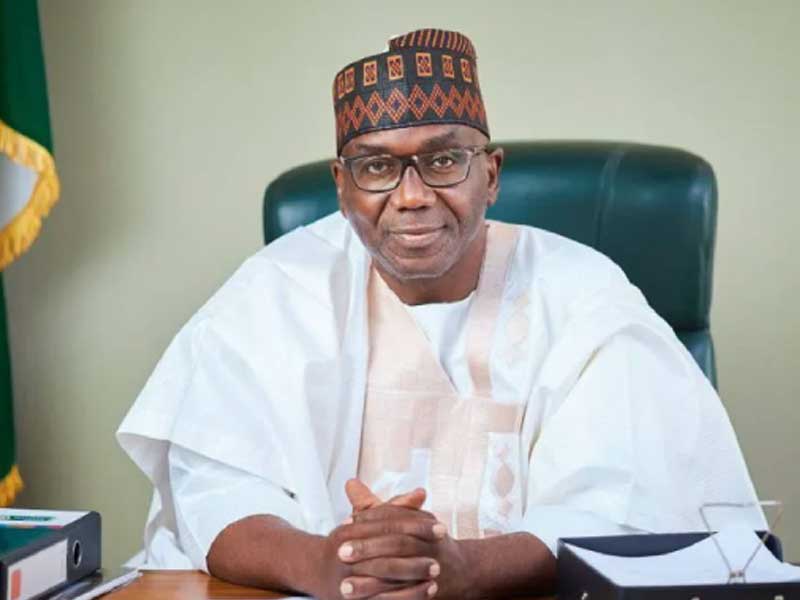
Governor AbdulRahman AbdulRazaq must, therefore, remain focused on the larger picture. The departure or political realignment of some individuals, including those who have benefited from the opportunities, goodwill and political platform provided by his administration, should not be a reason to lose sight of the responsibilities that come with leadership. Political associations are sometimes sustained by shared convictions and, at other times, by interests that may eventually diverge. That is the reality of politics. What matters is the ability to distinguish between temporary political disappointments and the enduring interests of the people.
Indeed, this is no time to be distracted by political noises, desperate agitations or what may aptly be described as the last kicks of a dying political horse. Not every political outburst deserves a response, and not every change of allegiance should be treated as a defining political event. The volume of political rhetoric does not necessarily establish the strength of its proponents. Equally, the movement of a few political actors from one camp to another should not be mistaken for a definitive statement about the political mood of an entire state.
There is, therefore, a need to separate political theatre from the more consequential business of governance. The people of Kwara are interested in the roads that connect their communities, the quality of education available to their children, access to healthcare, opportunities for employment, agricultural development and the general improvement of their living conditions. These are the issues that should command sustained attention.
It is against this background that the philosophy of ÌWÁJÚ LÁ N LỌ (Forward Ever ) assumes greater significance. Beyond its political expression, the phrase captures an enduring principle: progress must not be abandoned because of temporary obstacles. It speaks to continuity, the consolidation of achievements and the determination to build upon the foundations already laid.
Kwara’s development aspirations must remain bigger than individual political disagreements or the changing fortunes of political associates.
Since assuming office, Governor AbdulRazaq’s administration has undertaken interventions across several critical sectors, including agriculture, infrastructure, education, healthcare and human capital development.
These efforts constitute part of the administration’s record and deserve to be assessed on their merits. Of course, no administration is beyond criticism, and there will always be areas requiring greater attention, improved delivery and further investment. That, however, is an argument for consolidation and improvement, not a reason to abandon the broader development agenda.
With the 2027 general elections drawing closer, the political environment will naturally become more active. Different interests will emerge, alliances may shift, and competing narratives will become more pronounced. The appropriate response should be one of strategic engagement, political maturity and a clear appreciation of the expectations of the electorate. There is also a compelling need to strengthen existing relationships, address genuine grievances and sustain constructive engagement with stakeholders across the state.
Importantly, the capacity to listen should never be confused with weakness. Neither should the courage to make difficult decisions be interpreted as an unwillingness to accommodate differing opinions. Good leadership requires both firmness and flexibility: the conviction to remain committed to a vision and the humility to make adjustments where necessary. Constructive criticism should be welcomed, while political provocation should not be allowed to dictate the priorities of government.
Those who choose to pursue different political paths are entitled to their choices. Their decisions, however, should not diminish the contributions of those who remain committed to the development of the state, nor should they erase the collective efforts that have gone into building the political and governance structures of the present administration. Political relationships may change, but the responsibility to the people remains.
Ultimately, the question before Kwara is not simply who has defected, who has withdrawn support or who has chosen a different political platform. The more important question is how the state can sustain its development trajectory, consolidate existing gains and create even greater opportunities for its people. That is the conversation worthy of public attention.
ÌWÁJÚ LÁ N LỌ must therefore be more than a political slogan. It should embody a commitment to continuity, progress, accountability and the determination to build a better Kwara. The enduring value of leadership is not measured by the noise generated by political disagreements, but by the institutions strengthened, opportunities created, lives improved and foundations established for future generations.
Kwara must keep moving forward. Political disagreements will come and go; alliances will be formed and dissolved. But the aspirations of the people must remain constant, and the pursuit of sustainable development must never take a back seat to transient political considerations.
to like, bookmark, and comment.
Comments
Join the conversation:
No comments yet. Be the first to share your thoughts.