CAF Executive Committee Members Oppose Biennial AFCON Format
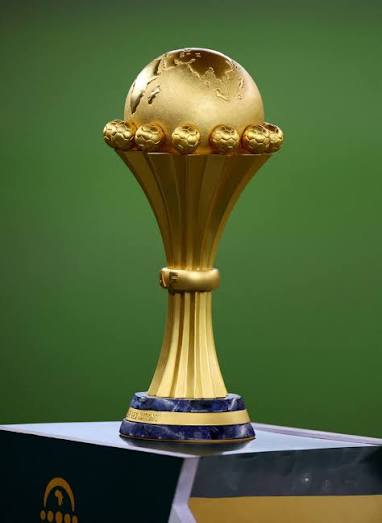
Two members of the Confederation of African Football (CAF) Executive Committee, Ahmed Yahya of Mauritania and Souleiman Waberi of Djibouti, have reportedly opposed the continued organisation of the Africa Cup of Nations (AFCON) every two years.
Yahya, president of the Mauritanian Football Federation, and Waberi, who heads the Djibouti Football Federation, are said to have expressed reservations about the biennial format of Africa’s flagship football competition amid discussions about its future structure and frequency.
Their reported position could add a new dimension to the debate over how best to organise the tournament, which has traditionally been staged every two years and remains one of the continent’s biggest sporting events.
Although details of their objections have yet to emerge, the reported opposition comes as questions continue to surround the long-term scheduling of international football competitions and the demands placed on players, clubs and national teams.
The AFCON tournament has historically provided African countries with a major platform to compete for continental honours, while offering players an opportunity to showcase their talents to a global audience.
However, the competition’s scheduling has also been a source of debate, particularly over its impact on domestic leagues and European clubs, which frequently release African players for national team duty during the tournament.
Any proposal to change the frequency of AFCON would therefore have significant implications for national football associations, players, clubs, sponsors and broadcasters.
Yahya and Waberi’s reported opposition is also likely to attract attention because both officials sit on CAF’s Executive Committee, the body responsible for key decisions concerning the administration and development of African football.
Waberi’s position is particularly noteworthy amid reports that his standing within the Djibouti Football Federation has been challenged following claims that the federation’s general assembly removed him from his position. The circumstances surrounding those claims, however, remain unclear.
It is also uncertain whether the two officials’ reported opposition reflects a coordinated position or separate views on the future of the competition.
CAF has yet to clarify its official position on their reported objections, while further details about the discussions and any proposed changes to the tournament’s format remain unavailable.
For now, the reported disagreement highlights the importance of further consultation among African football administrators as they consider the future of a competition that has played a central role in the continent’s football calendar for decades.
Any change to AFCON’s traditional two-year cycle would require clarity on the proposed arrangements and their implications for African football stakeholders.
to like, bookmark, and comment.
Comments
Join the conversation:
No comments yet. Be the first to share your thoughts.