Use Alternative Data To Unlock Bank Loans For Collateral-Poor MSMEs, Telecom Operator Urges
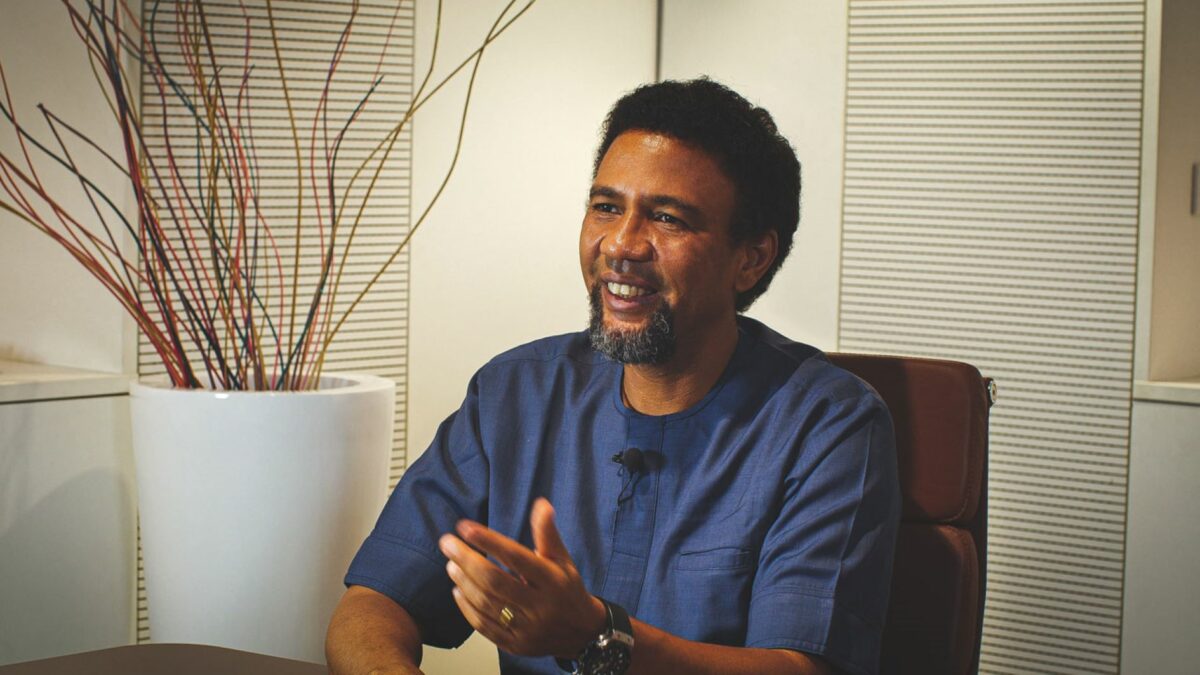
A telecommunications operator has called for the integration of telecoms records, airtime consumption and digital transaction histories into Nigeria’s credit assessment system to enable millions of small businesses without conventional collateral to access bank loans.
The Chief Executive Officer of MTN Nigeria, Karl Toriola, said the Central Bank of Nigeria (CBN) and credit bureaus should recognise alternative data as a basis for assessing the creditworthiness of micro, small and medium enterprises (MSMEs). Many of these businesses remain excluded from formal lending because they lack audited financial statements and acceptable collateral.
Speaking at the Development Bank of Nigeria (DBN) lecture series in Abuja, he said the country needed to move away from traditional lending requirements that keep viable businesses, particularly informal enterprises, out of the credit market.
He proposed that telecoms records, utility payments and digital point-of-sale transaction histories be fed into the formal credit system, arguing that they could help lenders build credit profiles for businesses with little or no banking history.
“The Central Bank of Nigeria and our national credit bureaus must integrate alternative data, like telecommunications records and airtime consumption. Utility payments and digital point-of-sale transaction footprints should be given equal statutory weight to traditional banking records,” he said.
According to him, the company already uses customers’ network tenure, monthly spending and frequency of recharge to assess their creditworthiness, which allows it to extend loans without demanding physical collateral.
The proposal comes amid persistent concerns about the difficulty small businesses face in securing affordable financing, despite their contribution to employment, production and economic activity.
Toriola cited a PwC 2024 MSME survey, which estimated Nigeria’s unmet MSME financing gap at $32.2 billion, or about N13 trillion. The survey also found that 35 per cent of respondents identified access to finance as their primary obstacle to growth.
He added that fewer than one in 20 small and medium enterprises could secure loans from traditional banks. He also cited research by fintech company Moniepoint, which indicated that more than half of informal businesses actively avoided formal loans and had no intention of applying for them.
According to him, conventional lending requirements, high interest rates and rigid collateral conditions have discouraged many entrepreneurs from seeking credit.
“These businesses are effectively the missing middle. They are locked out because traditional financial products are fundamentally misaligned with their operational structures,” he said.
Toriola urged the government to support cash flow-based lending through risk-sharing arrangements involving institutions such as DBN, the Nigerian Consumer Credit Corporation and other relevant credit support institutions.
He also called for a federally backed digital infrastructure linking the National Identification Number, Bank Verification Number and Corporate Affairs Commission registration, to make it easier for lenders to verify businesses and assess their operating histories.
Representing the Secretary to the Government of the Federation, the Permanent Secretary, Political and Economic Affairs Office, Mrs Bekearedebo Augusta Warrens, said financing must be structured around the realities of small businesses rather than the requirements of conventional lending systems.
“Access to finance, which is one of the pains of small businesses in Nigeria, must not stop at the level of approval of a loan,” she said.
“A business owner needs to be able to repay that loan from the income generated by that same business. But if the cost of borrowing is too high, or the business has no reliable market for its products, the loan will now become another burden rather than an opportunity.”
Warrens said businesses also needed reliable infrastructure, appropriate technology, technical skills and access to markets to make productive use of financing. She urged financial institutions and development partners to adopt lending arrangements that accommodate viable enterprises lacking conventional collateral, while ensuring that interventions were properly monitored.
The DBN Managing Director, Dr Tony Okpanachi, said the bank had disbursed a cumulative N1.4 trillion to MSMEs through 84 participating financial institutions as of December 2025, creating more than 1.6 million jobs across the country.
He said DBN’s wholesale financing model, partial credit guarantees and capacity-building programmes were designed to help participating financial institutions extend credit to businesses they might otherwise consider too risky.
Under its new five-year strategy, the bank plans to reach more than two million MSMEs, with specific targets for women-led businesses, youth-led enterprises and underserved states.
Okpanachi said the challenge was ensuring that economic reforms translated into tangible improvements for entrepreneurs, including access to loans with repayment periods long enough to support investment in equipment and expansion.
He added that the bank was strengthening support for women entrepreneurs through its D.O.N. initiative, which combines financing, credit guarantees, technical assistance, targeted grants and market linkages.
The DBN chief executive called on participating financial institutions to expand lending to underserved sectors and states, while urging policymakers to assess reforms by the changes they produce for businesses.
to like, bookmark, and comment.
Comments
Join the conversation:
No comments yet. Be the first to share your thoughts.