Global Multidimensional Poverty Rises to 1.2 Billion, Nigeria Reverses Gains
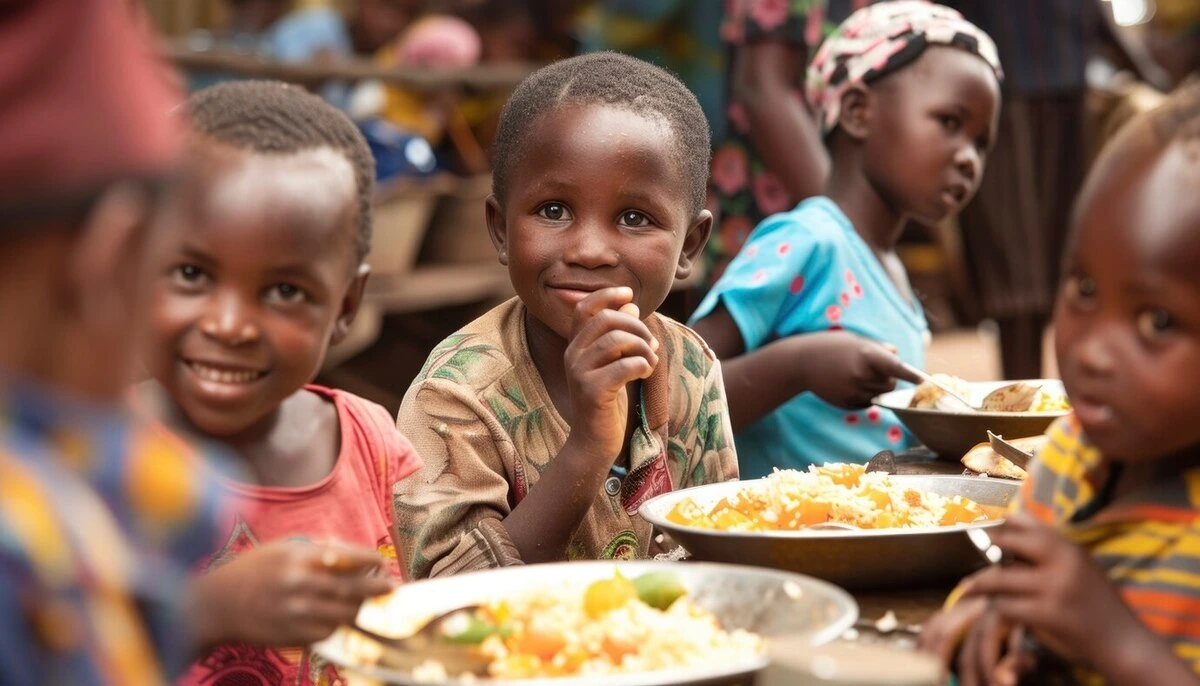
The 2026 update of the global Multidimensional Poverty Index (MPI) shows that 1.2 billion people now live in multidimensional poverty, an increase of 51.5 million and the first rise recorded since the index was introduced in 2010.
The figures were made public on Monday by the United Nations Development Programme (UNDP) together with the Oxford Poverty and Human Development Initiative (OPHI) at the University of Oxford. Children account for more than half of those affected, numbering 617 million, and 83% of the total population in poverty lives in rural areas.
Nigeria appears among the countries where earlier gains have been lost. After the 2010s brought substantial reductions, the 2020s have seen both the poverty rate and the number of multidimensionally poor Nigerians move upwards.
Several forces explain the worldwide rise. Population growth is one of them: in 95 countries where fresh survey data were unavailable for this edition, updated population estimates pushed 15.8 million more people into the count of the multidimensionally poor. The balance of the change comes from a mix of shifts in poverty incidence, demographic movement and differing indicator coverage from one survey round to another.
UNDP Administrator Alexander De Croo said the increase should be treated as a warning that demands fresh global effort.
"The rise in poverty should be a wake-up call for the world. Behind these figures are 1.2 billion people facing hardships that reinforce one another: hunger, missed schooling and a lack of clean water or electricity," he said.
According to De Croo, countries have already shown that headway is achievable when they confront such problems jointly instead of separately.
Unlike income-based measures, the global MPI assesses deprivation through 10 weighted indicators spanning health, education and living standards. An individual is classified as multidimensionally poor if they are deprived in at least one-third of those indicators.
Developing regions make up the scope of the 2026 update, which covers 108 countries and 78% of the world's population.
The report notes that Nigeria achieved notable reductions in multidimensional poverty during the 2010s, only for both its poverty rate and the number of affected people to climb in the 2020s.
Out of 13 countries whose MPI estimates were updated in the 2026 report, five posted significant reductions in the share of their populations living in multidimensional poverty.
Egypt, Nepal and Tajikistan each recorded significant falls in both the poverty rate and the number of people affected. Angola and Zambia likewise saw the share of their populations in poverty decline, but population growth ran ahead of those reductions, so the total number of affected people still rose.
Even with the global increase, the report maintains that meaningful progress against multidimensional poverty is still within reach.
Target 1.2 of the United Nations Sustainable Development Goals urges countries to cut by no less than half the proportion of men, women and children living in poverty in all its forms and dimensions by 2030.
Data tracking changes in multidimensional poverty over time exist for 89 countries, and 33 of them have cut their MPI values in half within fewer than 15 years. Six of those countries are in Sub-Saharan Africa.
The new global figures emerge against continuing worry about how widespread multidimensional poverty remains in Nigeria and the wider Sub-Saharan Africa region.
In November 2022, the National Bureau of Statistics reported that 133 million Nigerians, equal to 63% of the population, were multidimensionally poor. That report found poverty was more common in rural areas, where it affected 72% of residents, compared with 42% in urban areas.
In April 2026, the World Bank reported that Nigeria's poverty rate had climbed from 56% in 2023 to 63% in 2025, a figure equivalent to roughly 140 million people. The bank linked the trend in part to household incomes failing to keep up with the cost of living and to weak growth in agriculture, the sector where many poor Nigerians earn their living.
to like, bookmark, and comment.
Comments
Join the conversation:
No comments yet. Be the first to share your thoughts.