UNHCR Warns Funding Crisis Threatens Aid for 8.3 Million Displaced People
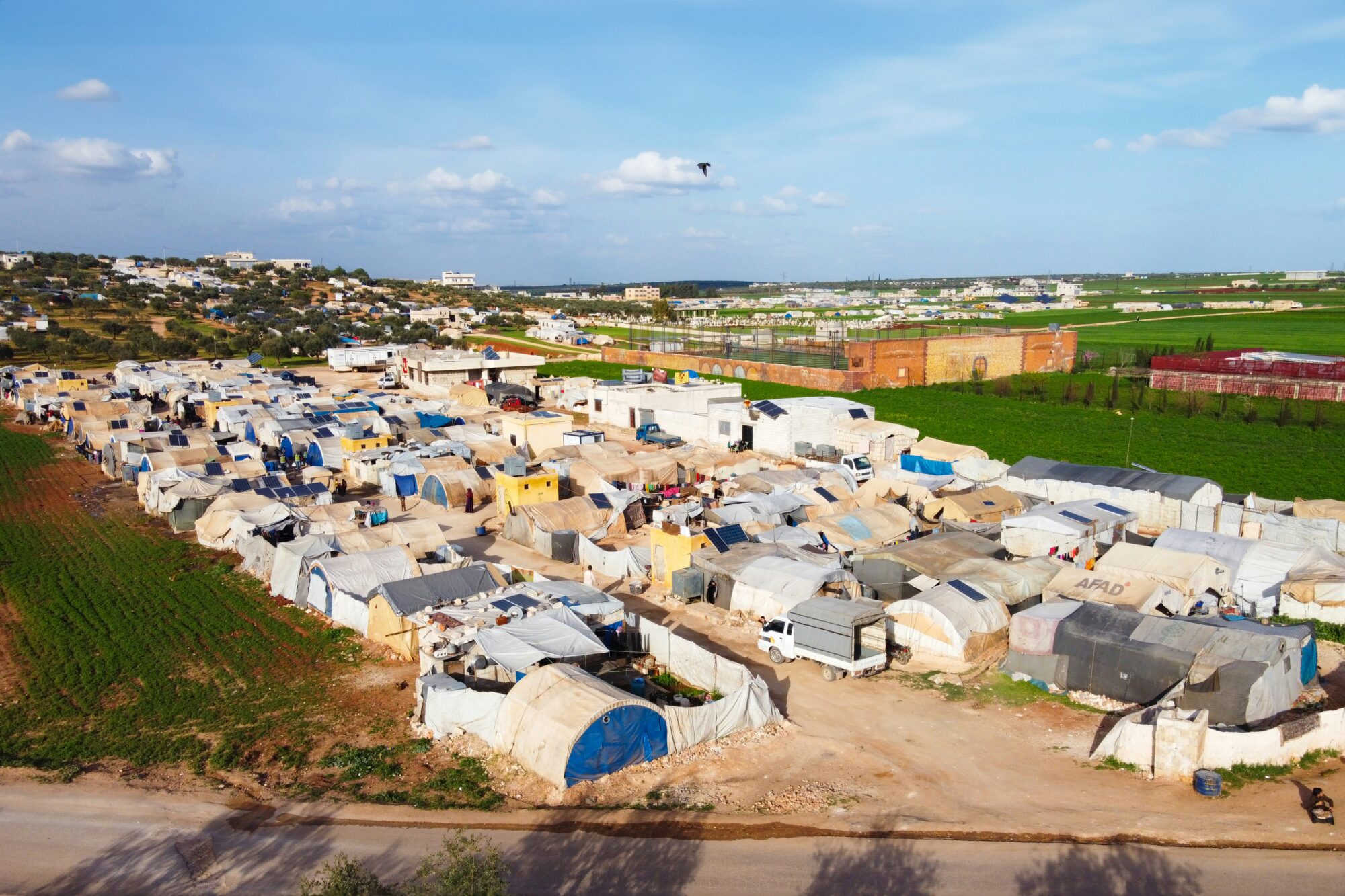
A warning has been issued by the United Nations High Commissioner for Refugees (UNHCR) that roughly 8.3 million refugees and other forcibly displaced individuals may soon be cut off from essential support, as a deepening financial crisis pushes its protection programmes to the brink.
The agency said on Tuesday that a persistent and escalating shortage of funds is steadily weakening its capacity to safeguard refugees, internally displaced persons (IDPs) and stateless people.
According to UNHCR, the money at its disposal shrank from $5.2 billion in 2024 to $3.9 billion in 2025, even as the population it is charged with protecting stays near record levels.
UNHCR had estimated it would need $8.5 billion this year to carry out its refugee protection work, yet only 32% of that total — amounting to $2.7 billion — had been received by the close of July.
The agency stated that this gap leaves close to 8.3 million forcibly displaced people "at risk of losing access to UNHCR assistance".
"Continued severe funding cuts are pushing refugee support and protection structures towards breaking point in the world's main displacement situations," UNHCR said.
Reforms and prioritisation steps have been taken by the agency to safeguard its most essential operations, but it noted that the depth and duration of the shortfall meant even its top-priority activities are now feeling the strain.
Dominique Hyde, who leads UNHCR's external relations, said: "Protection cannot be reduced indefinitely without systems collapsing."
She added: "Below a certain threshold, services do not simply reach fewer people; they can stop functioning altogether, leaving those most at risk without the protection they need."
To illustrate the effects, UNHCR pointed to several major displacement contexts.
In Chad, registration backlogs affected 319,000 refugees, depriving them of the paperwork required to obtain services, while about 233,000 children are at risk of losing child protection support.
Child protection coverage in parts of Ethiopia has dropped by up to 85%.
In Sudan, the agency cautioned that tens of thousands of survivors of sexual violence, along with children in serious danger, could be deprived of essential protection services.
Separately, UNHCR reported that 117.8 million people globally had been forcibly uprooted by the end of 2025, a decrease from the record 123.2 million recorded in 2024.
Among those 117.8 million, 35.6 million were refugees falling under UNHCR's mandate, and two-thirds of them originated from Venezuela, Ukraine, Syria, Afghanistan and Sudan.
In 2025, the agency cut almost 5,000 positions — more than a quarter of its total staff — in the wake of foreign aid reductions by major donor nations.
The United States, historically the largest donor globally, has sharply scaled back its foreign assistance, and other significant donors have likewise tightened their budgets.
UNHCR added that the funding reductions are also hampering attempts to help displaced populations become less dependent on humanitarian aid.
These financial pressures on UNHCR are unfolding as Nigeria deals with its own sizable displaced population and considerable humanitarian demands.
The number of forcibly displaced people in Nigeria had risen to 3.7 million by April 2025, according to UNHCR Africa.
In August 2025, the World Bank gave the green light to $300 million aimed at boosting resilience and widening access to basic services for internally displaced people and their host communities in Northern Nigeria.
In July 2026, the World Food Programme stated it required $89 million over a six-month period to maintain food and nutrition assistance and vital logistics operations across northern Nigeria, where over 17 million people were confronting acute hunger driven by insecurity, displacement and funding gaps.
to like, bookmark, and comment.
Comments
Join the conversation:
No comments yet. Be the first to share your thoughts.