‘Electoral Reforms Must Restore Youth Confidence Ahead of 2027’
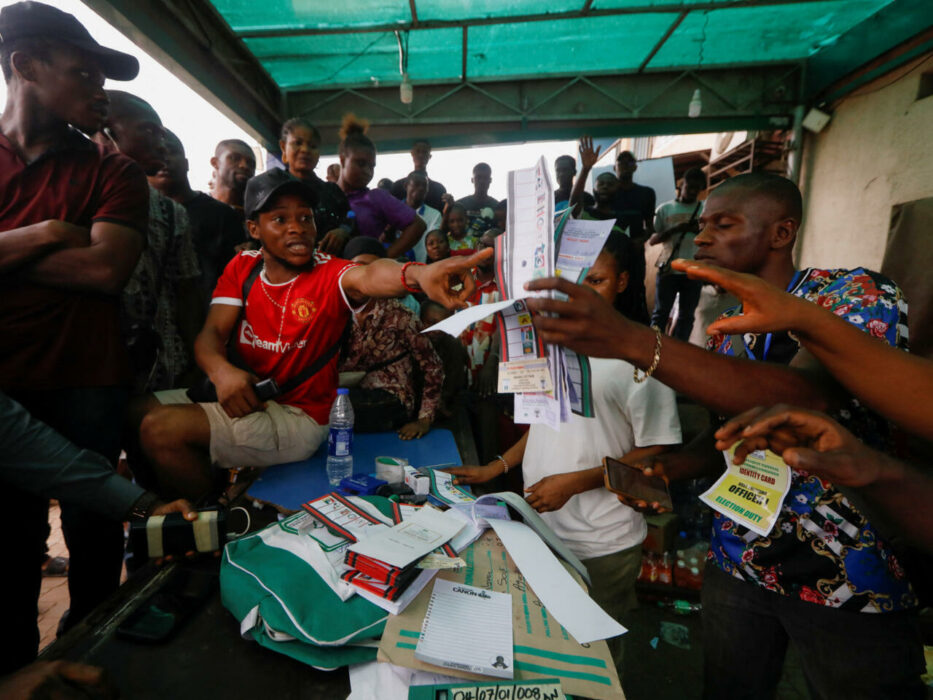
Stakeholders in Nigeria’s electoral process have called for a comprehensive assessment of the implementation of recent electoral reforms ahead of the 2027 general elections.
They warned that their effectiveness must be measured by their ability to rebuild public confidence and encourage greater youth participation.
The call was made at a high-level multi-stakeholder roundtable on electoral reform implementation, electoral integrity and youth participation in Abuja yesterday.
At the event, head of Research and Programmes at the Kimpact Development Initiative (KDI), Oluwafemi John Adebayo, said the engagement was designed to assess how recommendations from previous electoral reform
processes were being implemented and identify areas requiring further improvement before the 2027 elections.
Adebayo said the assessment involved engagements with key electoral stakeholders, including the Independent
National Electoral Commission (INEC) and anti-corruption agencies such as the Economic and Financial Crimes Commission and the Independent Corrupt Practices and Other Related Offences Commission.
He said the exercise would also provide an avenue for citizens, particularly young Nigerians, to express their views on the reforms and their experiences with the electoral system.
According to him, listening to young people was crucial to addressing growing concerns over voter apathy and rebuilding trust in the electoral process.
“What is important is building confidence in the minds of these people,” Adebayo said.
He identified the introduction of the downloadable Permanent Voter Card as one of the innovations that could potentially improve electoral participation among young Nigerians.
Adebayo said the initiative could reduce some of the difficulties associated with physically queuing to collect voter cards, stressing that its implementation should be assessed to determine its effectiveness and identify areas requiring improvement ahead of 2027.
He added that lessons from recent elections provided an opportunity to identify shortcomings and make necessary adjustments before the next general elections.
On technology and election result management, Adebayo discussed electronic transmission of results and the role of the INEC Result Viewing Portal in improving transparency in the electoral process.
He noted that provisions recognising electronic transmission and the use of technology represented a significant development from the situation witnessed during the 2023 elections.
He, however, said questions surrounding the legal and evidentiary status of electronically transmitted results would continue to evolve, including through judicial interpretation.
Adebayo said the ability of citizens to access the IReV platform and view results uploaded from polling units demonstrated Nigeria’s continuing movement towards greater use of technology in election management.
“At the end of the day, we are not where we used to be in 2023,” he said.
Similarly, Resident Country Director of the National Democratic Institute, Francis Madugu, identified the growing adoption of technology in Nigeria’s electoral process as another area requiring sustained assessment.
Madugu said technological devices had increasingly become integral to election management, adding that reforms introduced in 2026 represented another stage in the evolution of the country’s electoral system.
He, however, stressed that electoral reforms alone could not automatically generate the level of confidence required from citizens.
According to him, electoral institutions, civil society organisations and the media have critical roles to play in explaining the reforms to citizens and strengthening public understanding of the electoral process.
Madugu emphasised the importance of sustained engagement with young Nigerians, noting that their confidence in the system could significantly influence their willingness to participate in elections.
The roundtable brought together stakeholders to examine the implementation of electoral reform, electoral integrity, and youth participation ahead of the 2027 general elections.
Participants called for stronger collaboration among electoral institutions, anti-corruption agencies, civil society organisations, the media and young Nigerians to ensure that reforms translate into meaningful improvements in the electoral process.
The assessment of reforms implemented during recent elections in Ekiti and Osun states is expected to provide practical lessons on how the new provisions are functioning at the polling-unit level.
Stakeholders said the lessons would help identify implementation gaps and guide further improvements before the 2027 general elections.
The discussions also underscored the need to ensure that electoral reforms do not remain confined to legislation and policy documents but are effectively implemented in ways that citizens can understand, experience and trust.
to like, bookmark, and comment.
Comments
Join the conversation:
No comments yet. Be the first to share your thoughts.